
Helping Children Understand Dementia: A Practical Family Guide to Explaining Memory Loss, Strengthening Communication with Grandparents, and Creating Meaningful Moments Together
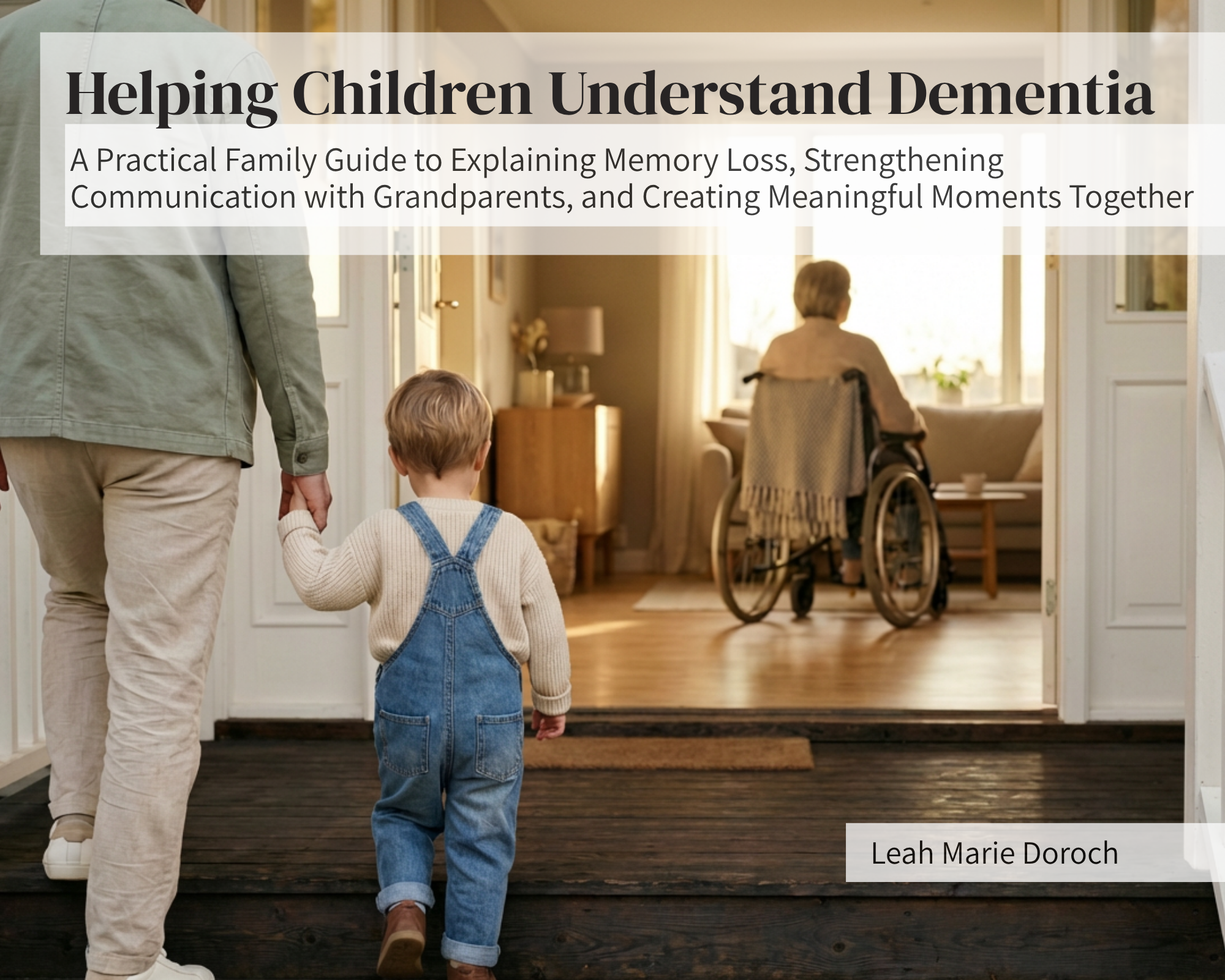
Helping Children Understand Dementia is a compassionate, practical guide designed to help families navigate the challenges of dementia while preserving meaningful connections across generations.
This book equips parents and caregivers with age-appropriate language to explain memory loss to children, along with proven communication strategies that reduce confusion and build comfort during visits. It offers step-by-step guidance for handling difficult moments like repetition, agitation, or lost recognition, while teaching children how to respond with patience and empathy.
Through engaging activities, calming techniques, and real-life examples, families learn how to create positive, connection-focused experiences—no matter how dementia progresses. The guide also supports the emotional well-being of both children and adults, addressing grief, resilience, and the evolving family dynamic with honesty and care.
Centered on a simple but powerful message—connection over perfection—this resource helps families focus on what remains, not what is lost, showing that even as memory fades, love, joy, and meaningful moments can still grow.
Sometimes Gran Forgets, But Love Remembers
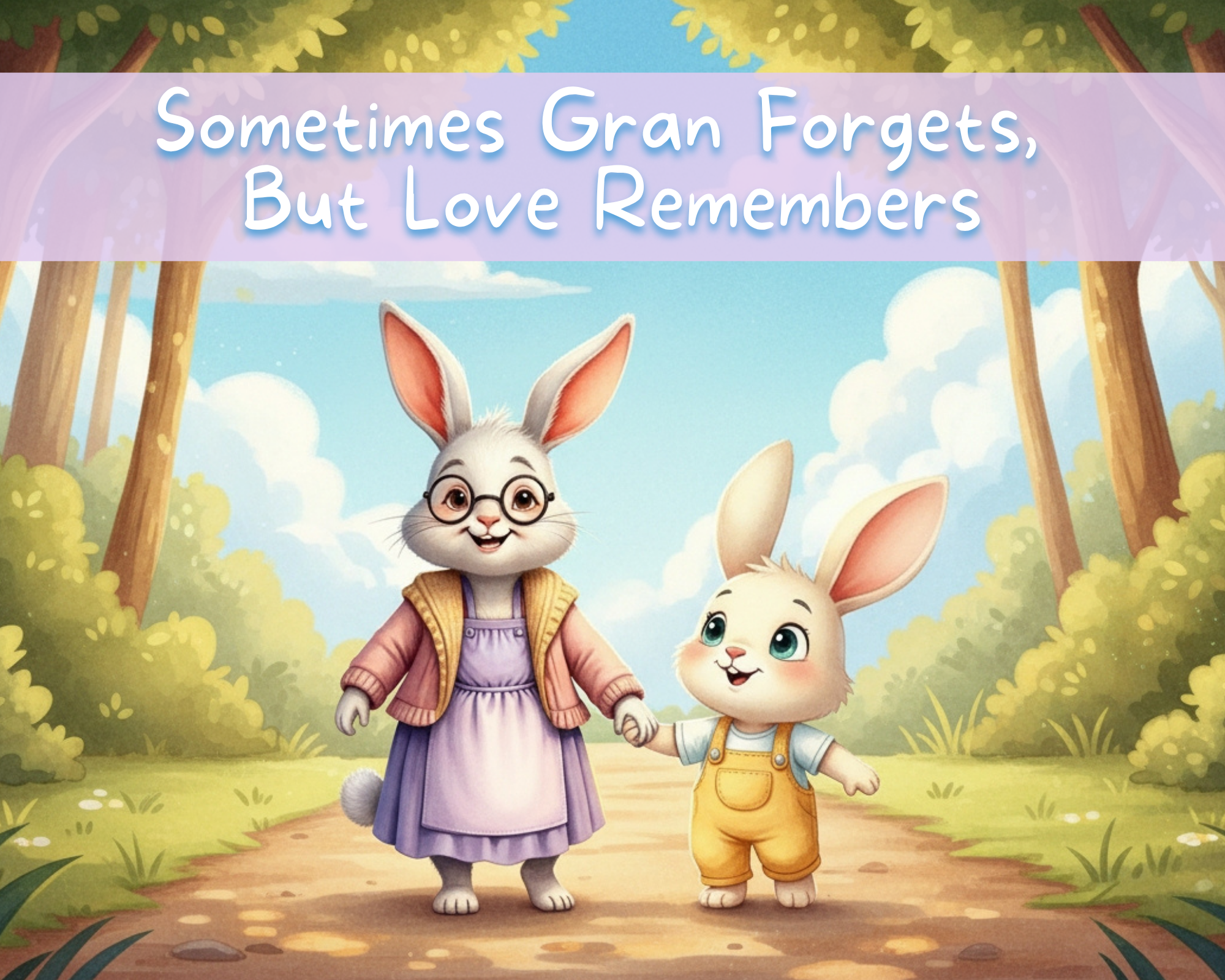
Sometimes Gran Forgets, But Love Remembers is a gentle, heartwarming story that helps young children understand memory loss and dementia through the loving relationship between Clover Bunny and her Gran.
Clover cherishes her time with Gran—baking carrot muffins, going on walks, and sharing simple, joyful moments together. But one day, something changes. Gran becomes confused and forgetful, even losing her way on a familiar path. Clover feels worried and unsure, and with her mother’s help, begins to learn that Gran’s brain is “sick,” making it harder for her to remember, think, and communicate.
Through age-appropriate explanations and comforting metaphors—like comparing memory to a path that sometimes fades—Clover starts to understand that Gran’s changes are not anyone’s fault, and that the illness cannot be caught like a cold. Even when Gran forgets important things, her love remains constant.
As the story unfolds, Clover and her family discover meaningful ways to stay connected. They create a “Memory Basket” filled with special items—photos, music, and keepsakes—that help spark moments of recognition and joy. Some days are bright, when Gran remembers and smiles. Other days are harder, filled with confusion and frustration. Through it all, Clover learns patience, empathy, and the importance of adapting—keeping visits simple, calm, and full of love.
Ultimately, the story reassures children that even when memories fade, love does not. It emphasizes emotional connection over perfection, helping children navigate complex feelings with compassion and understanding.
Perfect for families experiencing dementia, this book provides a reassuring, accessible way to start important conversations, offering comfort, clarity, and hope to young readers and caregivers alike.
